By Mashal khan
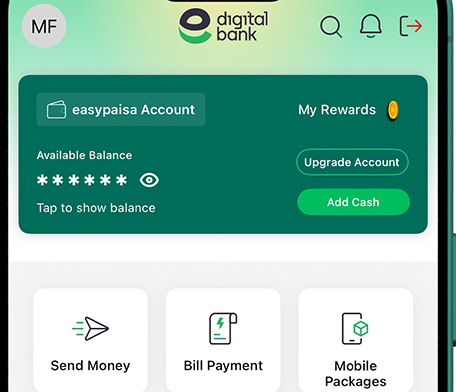
PESHAWAR: Raheel Khan received a phone call from a man who sounded desperate. The man said his wife had mistakenly sent money to Raheel’s Easypaisa account, that they were very poor, and begged him to return it.
When Raheel opened his Easypaisa account, the caller guided him to an option and told him to click "Accept” to send the money back. The moment he accepted, Rs 50,000 was transferred from his own account to the scammer’s.
"I asked him why my money was cut, you trapped me,” Raheel recalled. "He said no, I am sending you another code, accept it and you will get your money back.”
Raheel realized that accepting the second code would have drained the rest of his balance. He refused. The scammer stayed on the call for nearly 30 minutes, assuring him the money would be returned, before hanging up.
When Raheel called back, the scammer insisted the money was still in the Easypaisa system and that he only needed to accept the code. Raheel did not. He filed a complaint with Easypaisa and was told he would receive his money within 12 days. Days later, he was informed that the money could not be recovered.
What disturbed Raheel most was the scammer’s knowledge of his account. After losing Rs 50,000, Raheel transferred his remaining Rs 50,000 to a friend for safekeeping. The scammer immediately knew.
"He told me you sent Rs 50,000 to another account. He asked me to tell my friend to send it back so I could get my original Rs 50,000. How did he know I sent money to my friend if my account was not under his watch?” Raheel said. He alleged that such detailed information could only be possible with indirect help from inside.
Raheel’s case is not isolated.
Another victim from Peshawar Taskeen Alam shared a similar experience. He received a call in the afternoon informing him that his Easypaisa account was about to be blocked. At the time, he had Rs 42,000 in his account and had been transferring money to different accounts for a friend’s business.
The caller claimed his CNIC and all his bank accounts would be blocked. When the victim questioned his authenticity, the caller sent a message from the official Easypaisa short code 3737 containing two dots and a link, saying it was for confirmation.
"He knew exactly how much money I had sent to my friend,” the victim said.
The scammer then asked him to come on a WhatsApp video call for verification while opening his Easypaisa account on another phone. He instructed him to accept a prompt that said "OK”.
"When I clicked OK, I lost Rs 20,000. He told me not to hesitate, that my money was safe and would be returned after verification was complete,” the victim said.
The scammer then asked him to deposit more money to prove he was a regular customer. In total, the victim sent Rs 45,000. After 10 minutes on hold, he realized he was being scammed and called the official Easypaisa helpline.
"They asked me what data I shared. I said I shared nothing, no CNIC or bank details. They said it was my mistake because I accepted the code,” he said. "I told them I received a message from your official number, how could I not believe it?”
He filed a complaint that was forwarded to the FIA. He was told he would be updated in six days. He eventually recovered Rs 42,000, but lost Rs 3,000 which the scammers had forced him to take as a loan through the app.
An Easypaisa retailer in Peshawar, who witnesses such cases daily, said most complaints are related to online fraud, fake calls, fake accounts, and financial deception. He said the company provides regular training to identify suspicious activities and to educate customers on safety.
He also claimed that indirect involvement of staff cannot be ruled out, as outsiders normally do not have access to contacts, passwords, and account details. He added that because Easypaisa is now widely used across Pakistan, such frauds have also increased significantly. These remain allegations from the shopkeeper and victims, and not verified facts.
The scale of the problem is reflected in national data. According to the National Cyber Crime Investigation Agency (NCCIA), 2,196 major cybercrime cases were investigated across Pakistan in 2025, 2,902 suspects were arrested, Rs 461 million was recovered from victims of online fraud and financial crimes, and more than 46,000 fake bank accounts and digital wallets were frozen. During FY 2025-26, 80 cyber-financial fraud complaints were also referred to the NCCIA through the Prime Minister’s Public Affairs and Grievances Wing.
Experts warn that users should never accept any transaction approval, "OK” prompt, or link they did not initiate themselves, even if it appears to come from 3737.